
Euro-NATO Joint Jet Pilot Training
Cullen Lindquist Takes Flight
Happy New Year Everyone -
I am eager to usher in 2026 with an incredibly special story to me, about my nephew Cullen “Cully” Lindquist. Last spring, Cully commissioned into the
United States Air Force when he graduated from the University of Colorado ROTC. After many years of clear-eyed, focused commitment and dedication (along with a lot of fun at CU) - Cully was awarded a very rare and highly competitive spot in the NATO Fighter Jet Pilot training program called ENJJPT (Euro NATO Joint Jet Pilot Training). His parents - Peter’s sister Pam, and husband Peter, brother Jack (A current Lieutenant in Intelligence serving in the United States Space Force), and the rest of our family, are immensely proud of him, and its been fascinating and exciting to watch and learn about his endeavors up close. I am honored to share his story here.
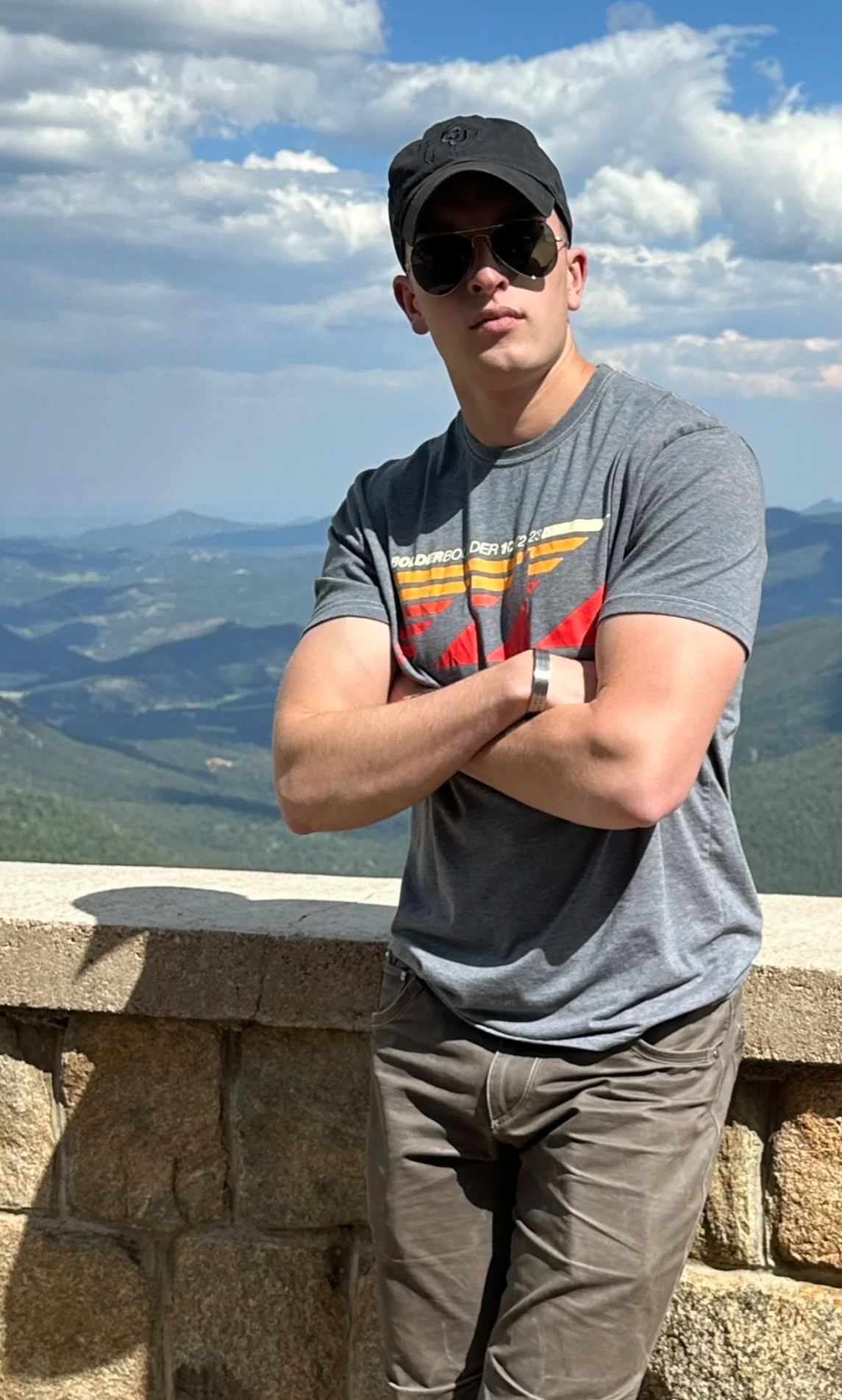
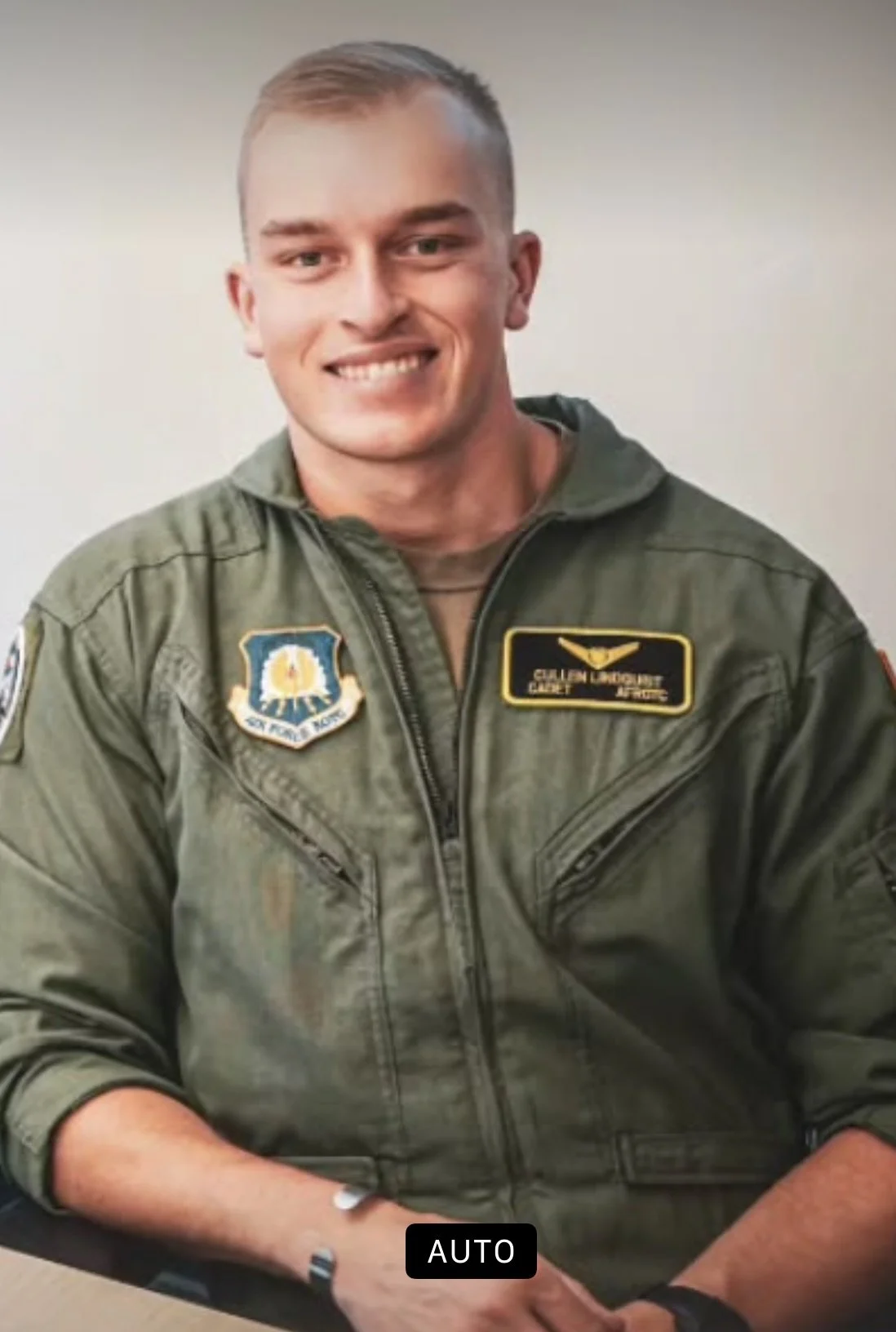
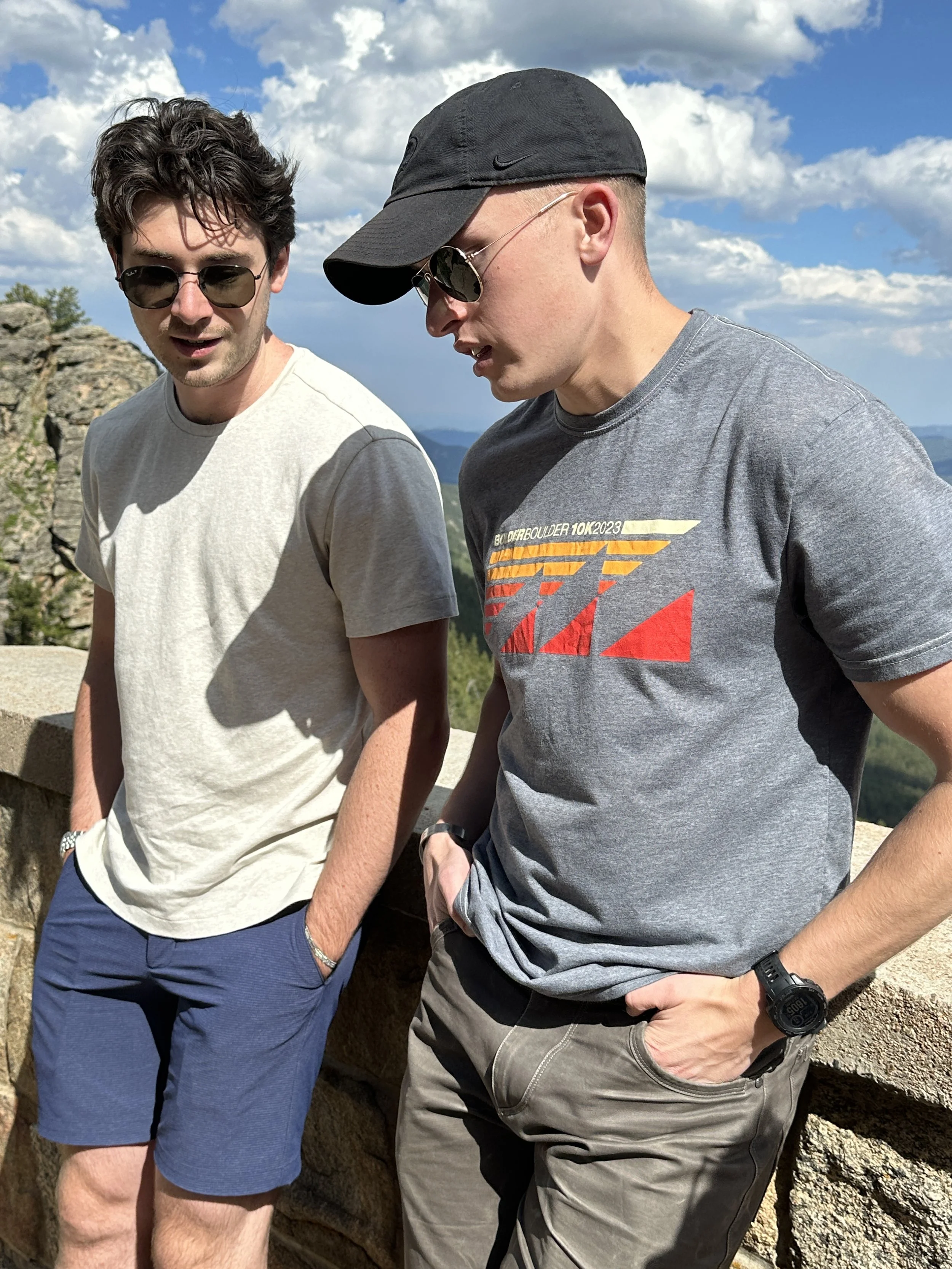
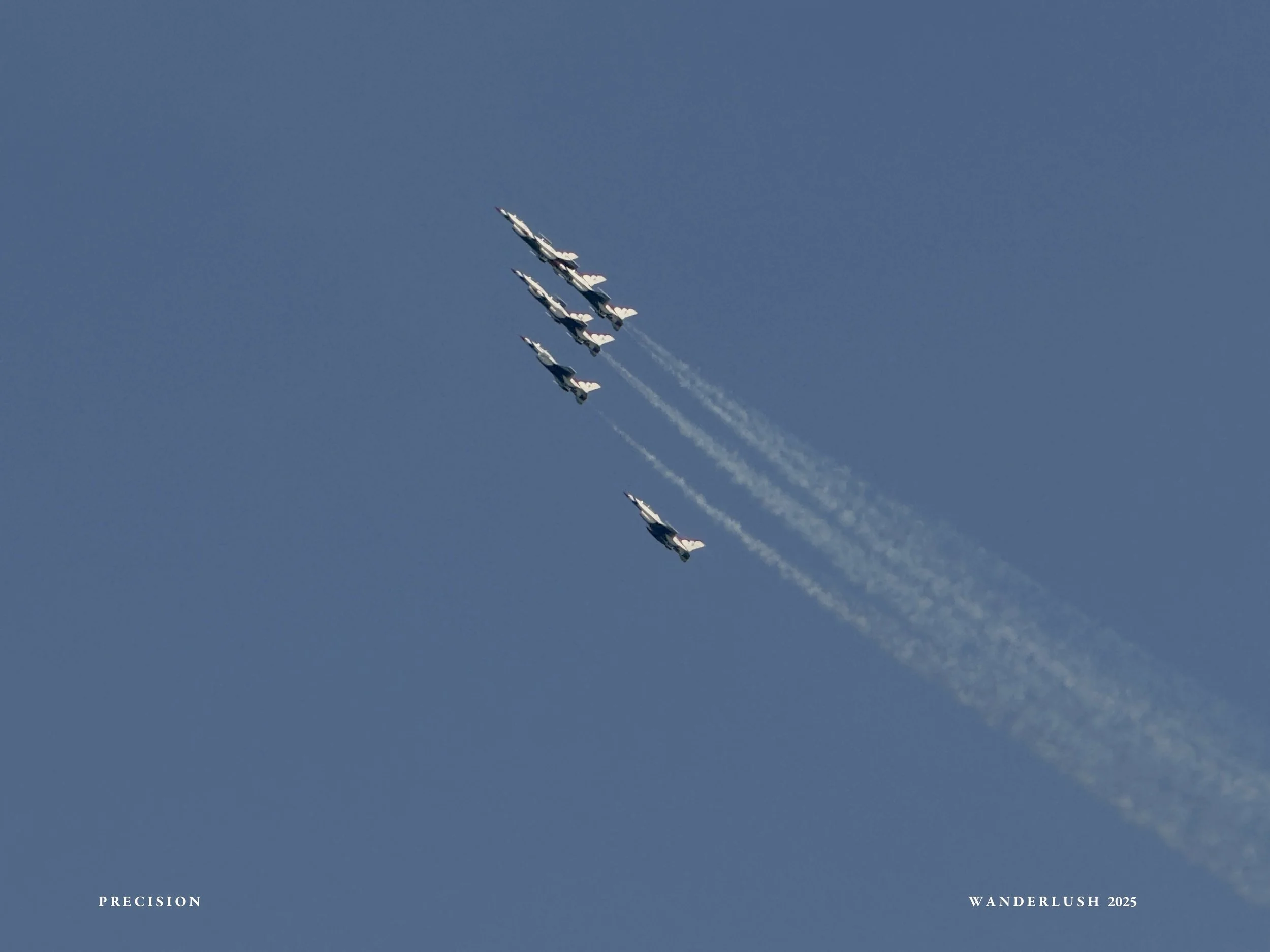
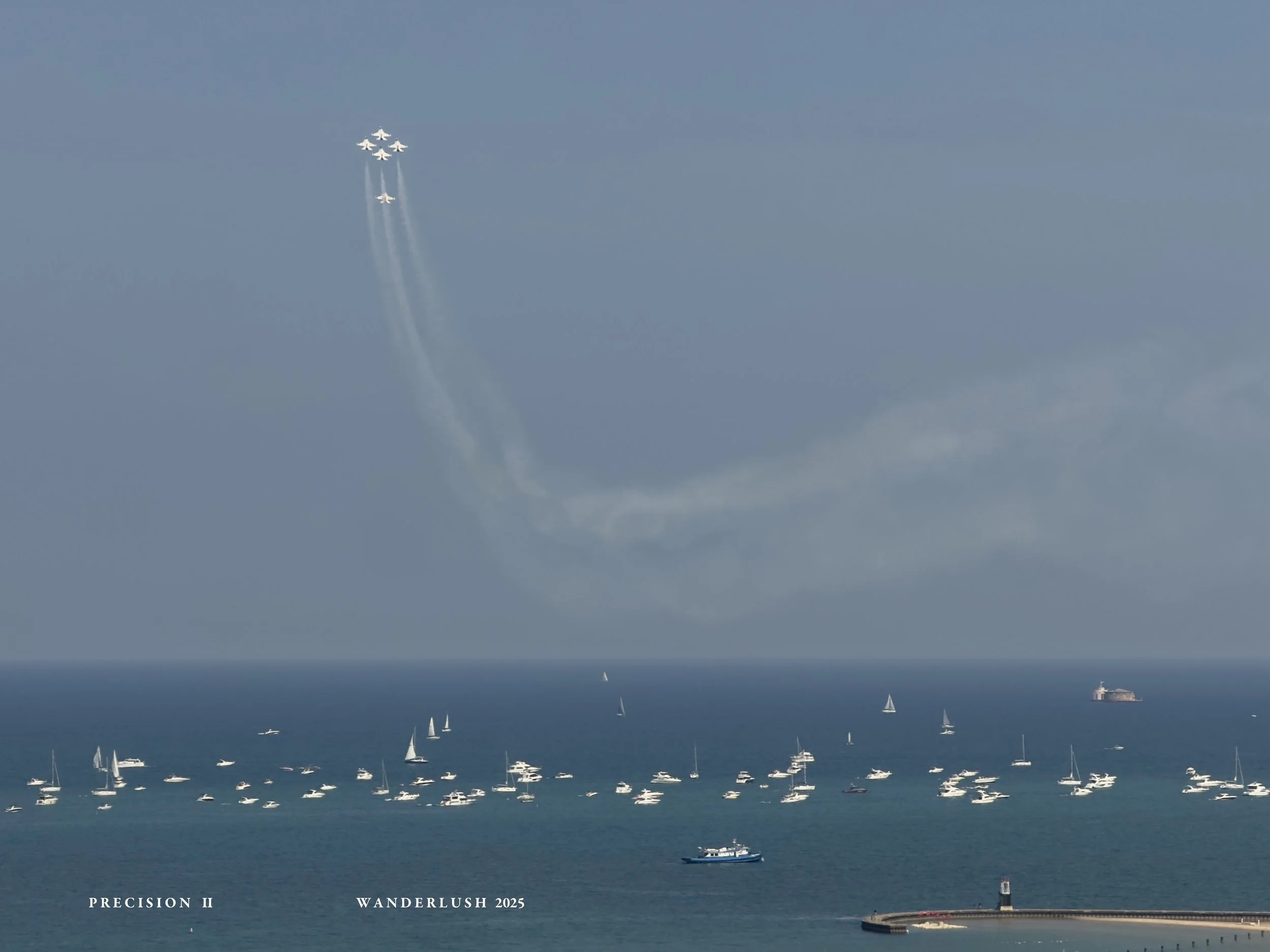
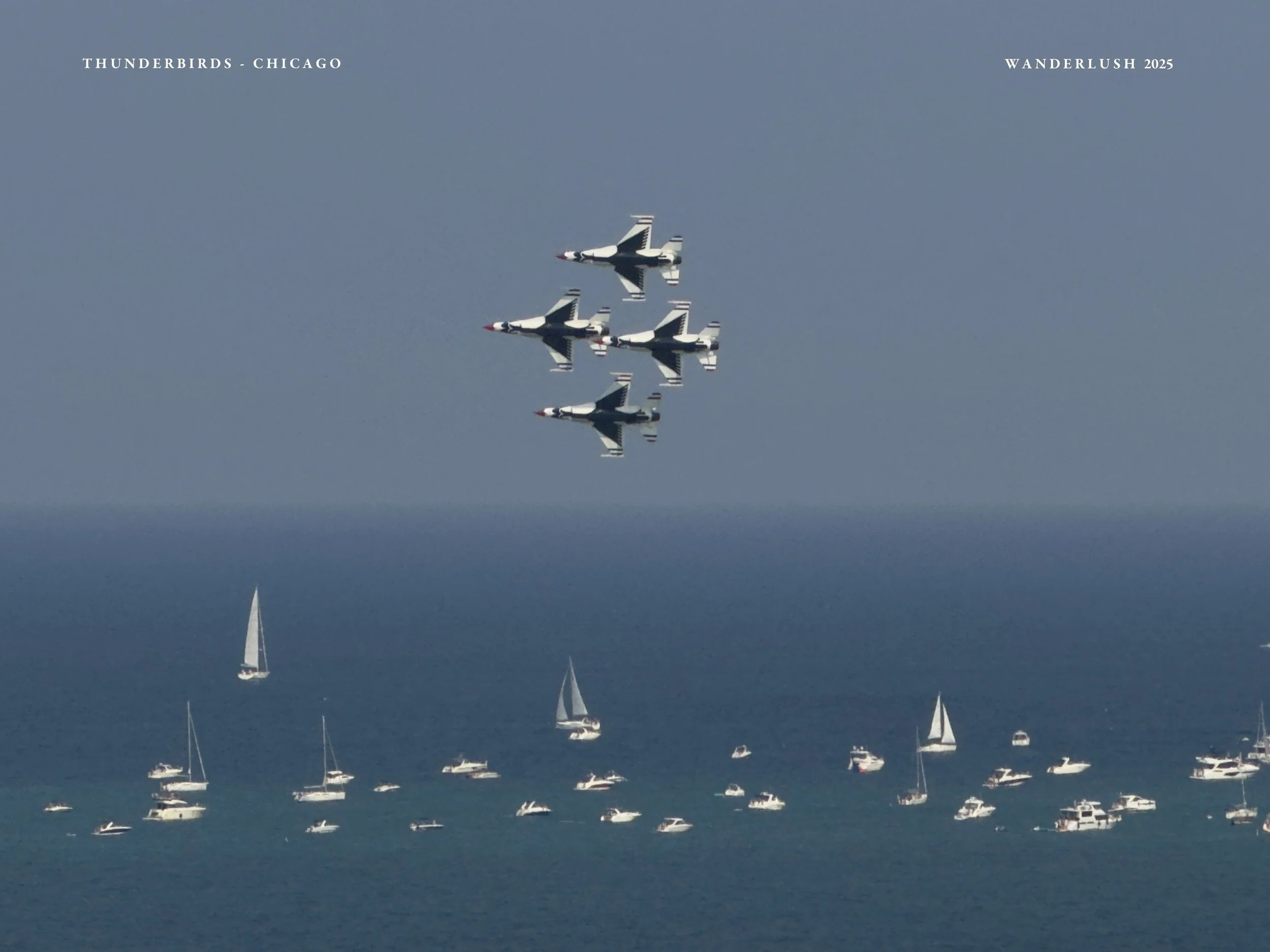
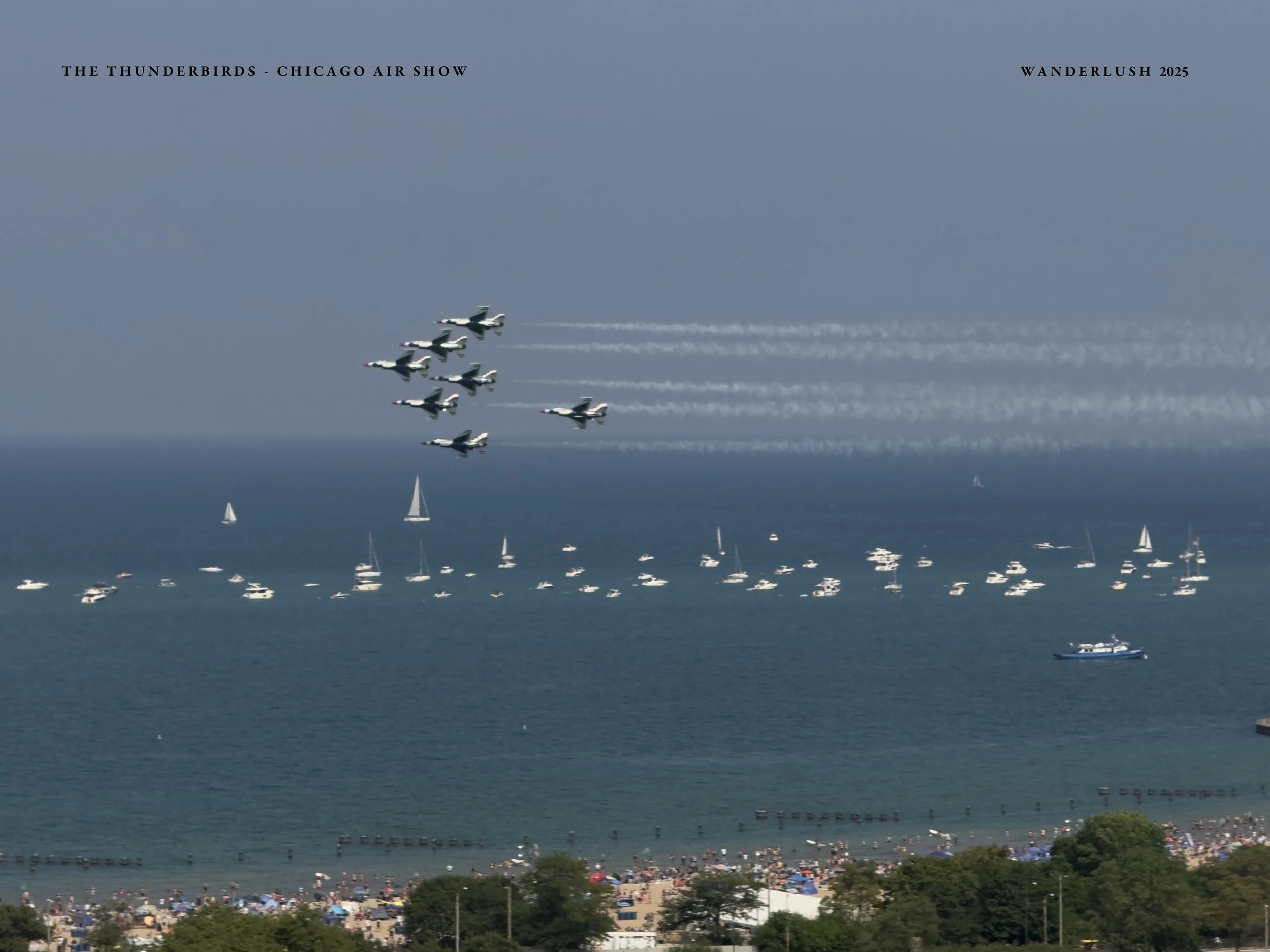
This holiday season I was very aware what a special and uncommon thing it will increasingly be, that he can be with us for Christmas, and it was one of the best gifts of my season to be able to sit and talk to him at our big gathering at our house this year. “They tend to get tighter and tighter with my leave because they invest a lot of money in each of us in training, so they don’t want anything to happen to me while on leave.” Through this and a few other conversations with him and a little research of my own, I have learned about how they attract train and prepare pilots (there is a shortage of pilots in the military right now). This has also given me new insights into the point behind the spectacular Chicago Air Show that I watch and photograph each August from our apartment and rooftop located right above the heart of the show. Some images from last year below:
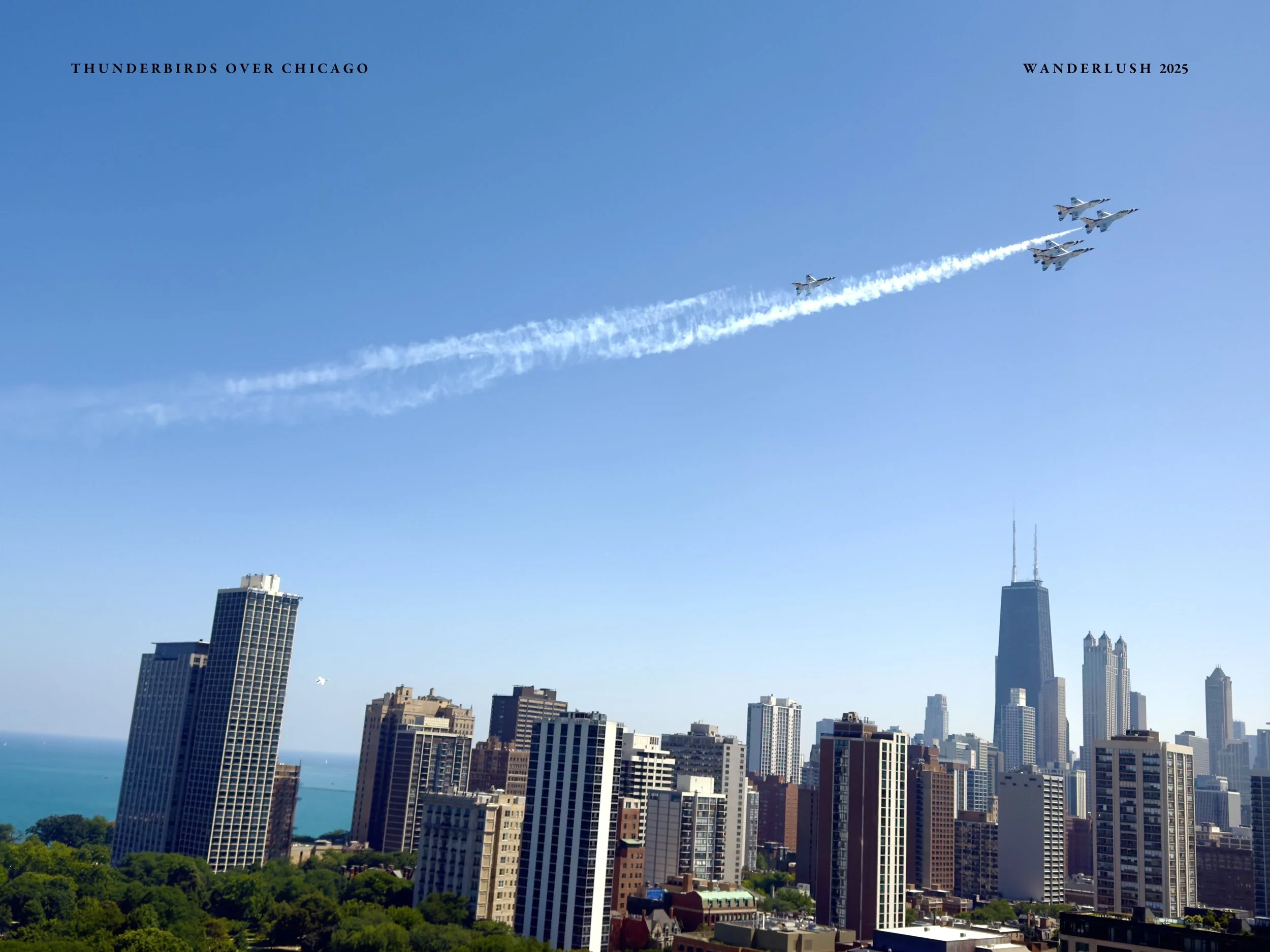

When eager to learn about Cully’s training I found Sam Eckholm, who is an Air Force Academy Graduate who is now “leveraging his military background and unique access and storytelling in order to educate and inspire.”
Eckholm now produces YouTube videos that illustrate the training process and this flying experience and what is required both physically and mentally. With a following of over 1.5M, he is now sponsored by major defense contractors such as Boeing, Lockheed Martin, Raytheon, Pratt & Whitney in addition to government entities such as the Department of Defense, U.S. Air Force, U.S. Space Force and NATO. He also works with the CIA and brands like American Airlines.
Two sample recommended videos about this kind of flying that I found fascinating:
https://www.youtube.com/watch?v=_w614FRf4g8
https://www.youtube.com/watch?v=AijLWQBuZrQ
Favorite quote from his video: Pilot Tyler Hiester – call sign “FEMA” : “Airshows are just a small visible representation of the thousands of airmen serving around the world.” He loves the F16 because of the design of the canopy and the visibility. He can’t see the nose of the plane or the wings…only where he’s going. “It feels like I’m sitting on the end of a dart.”
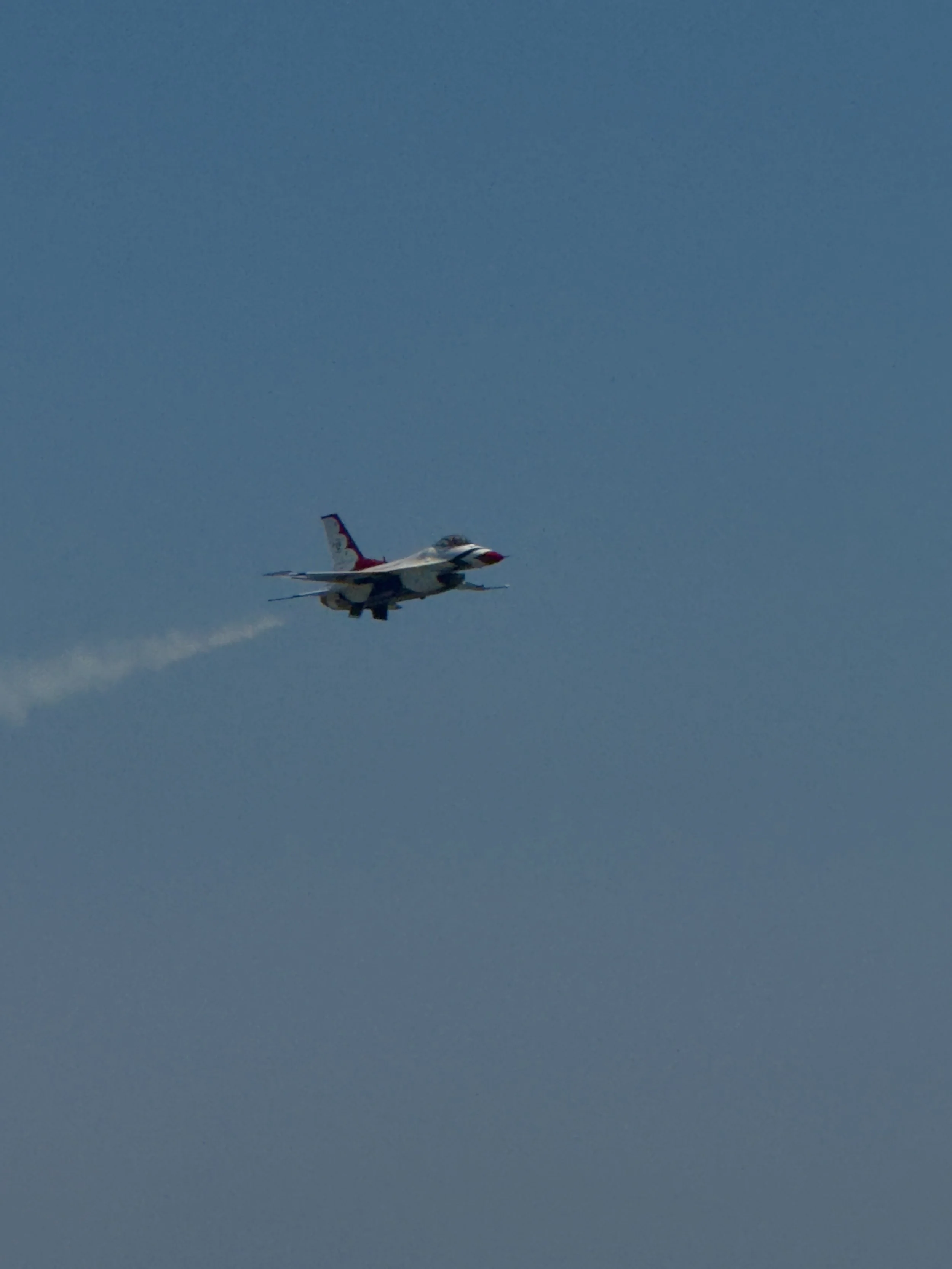
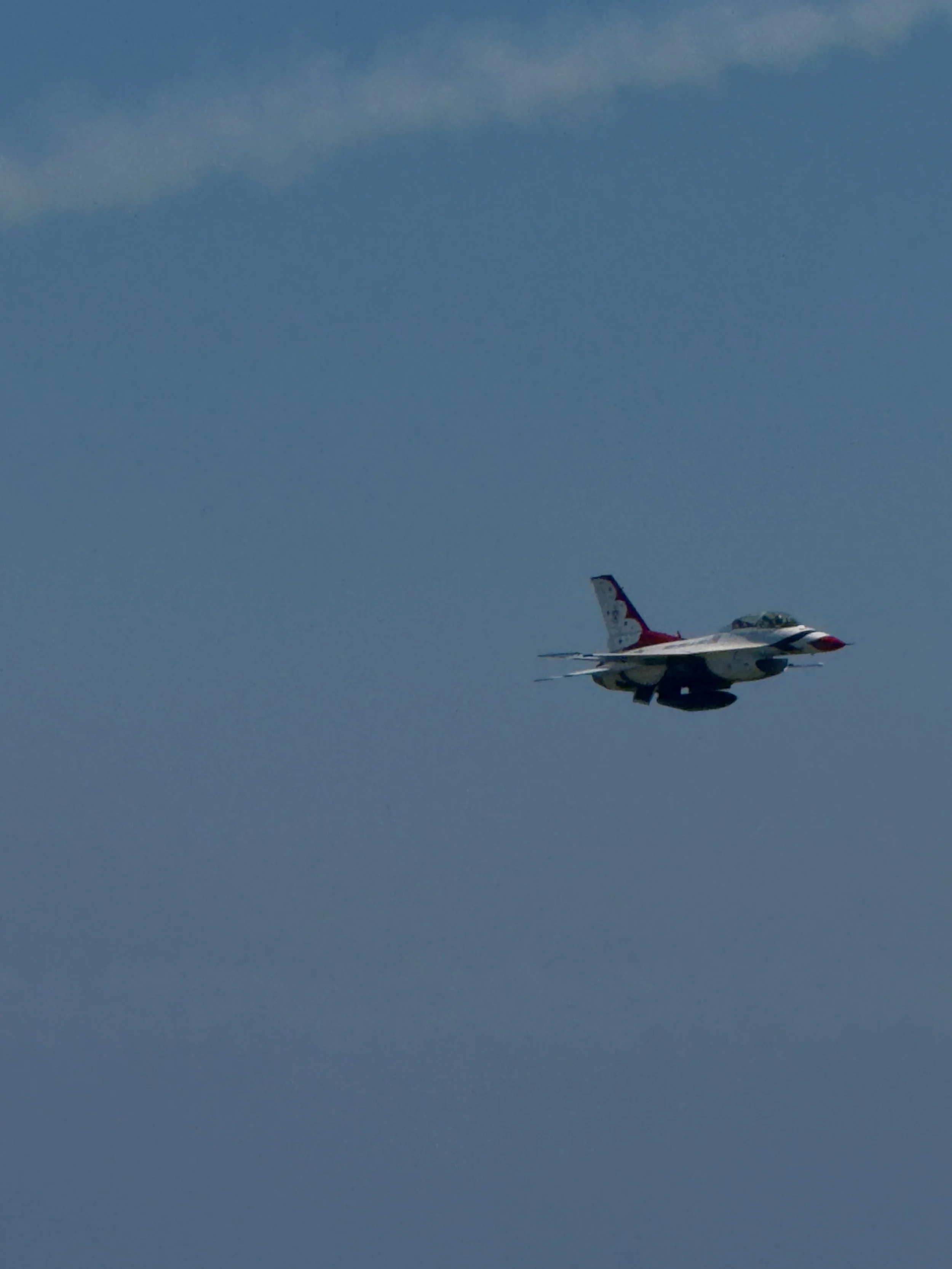
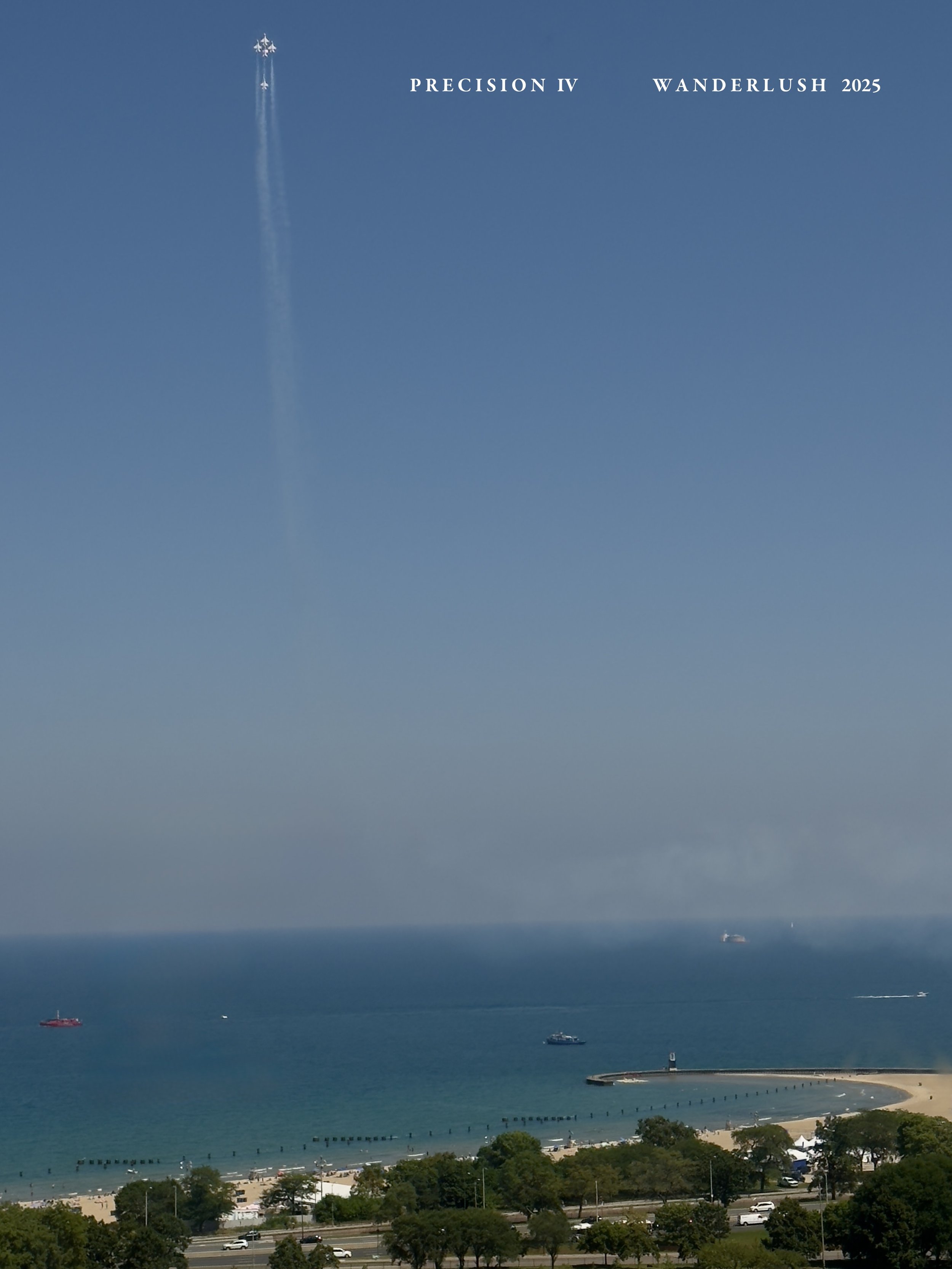
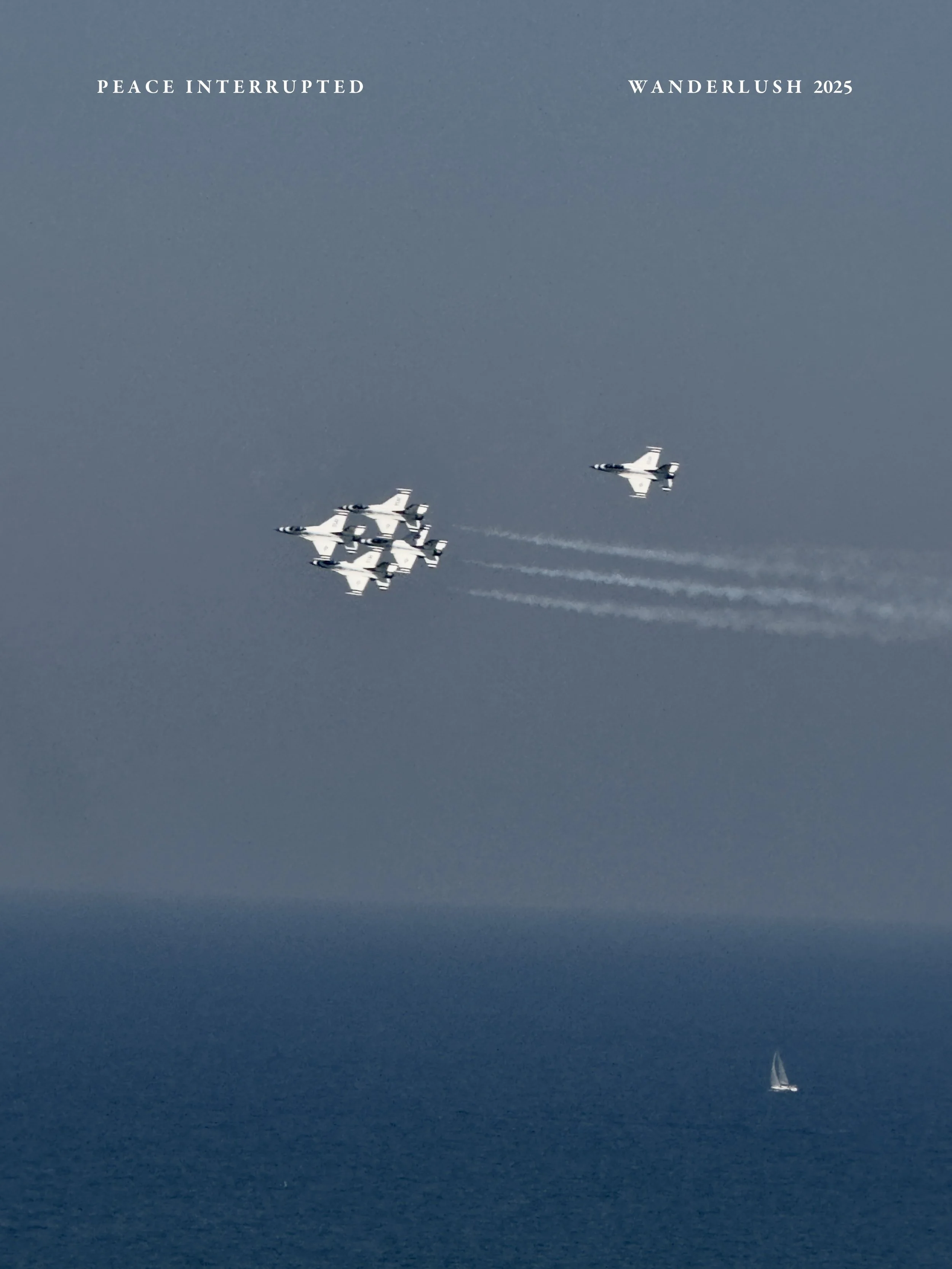
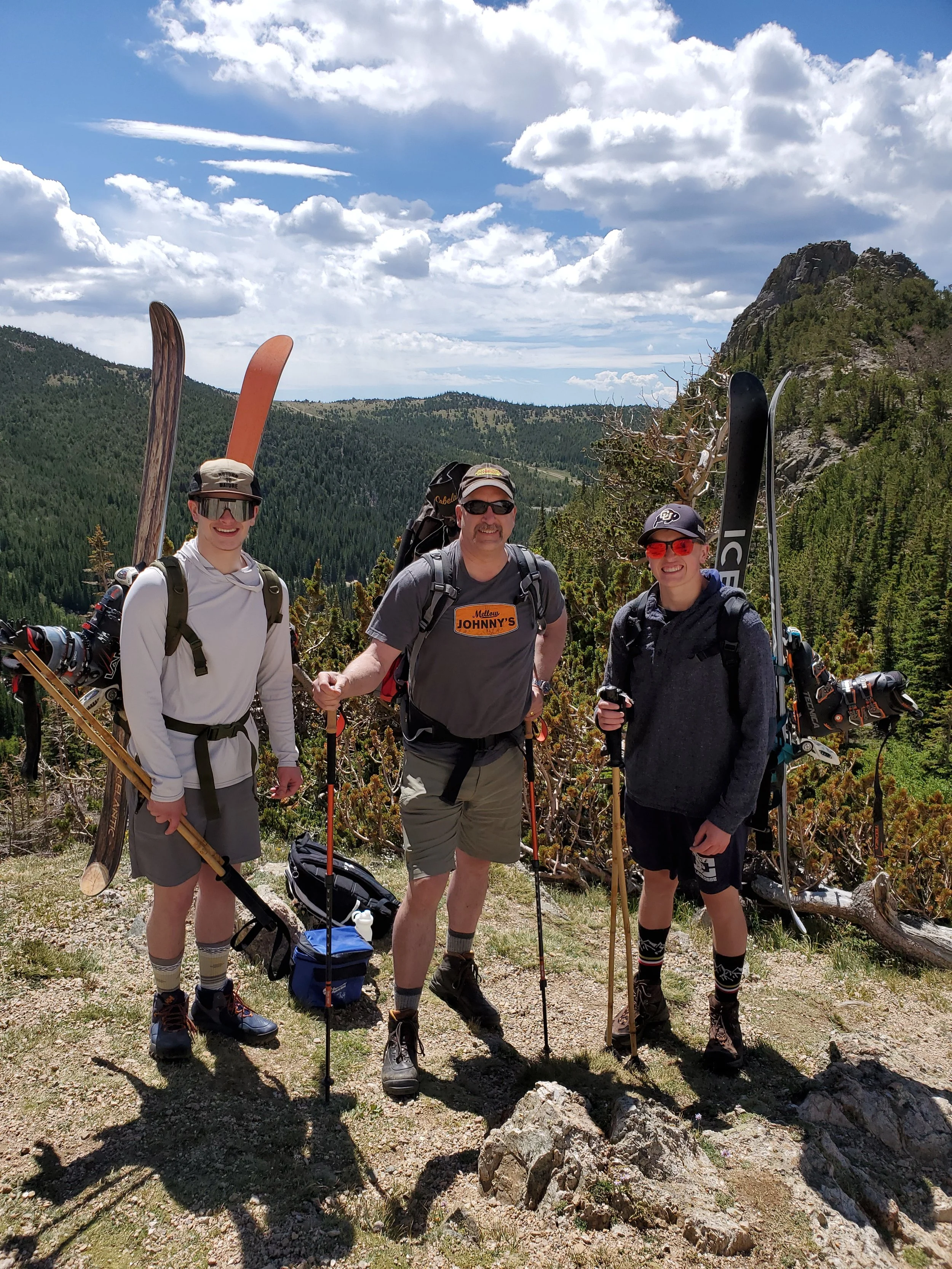
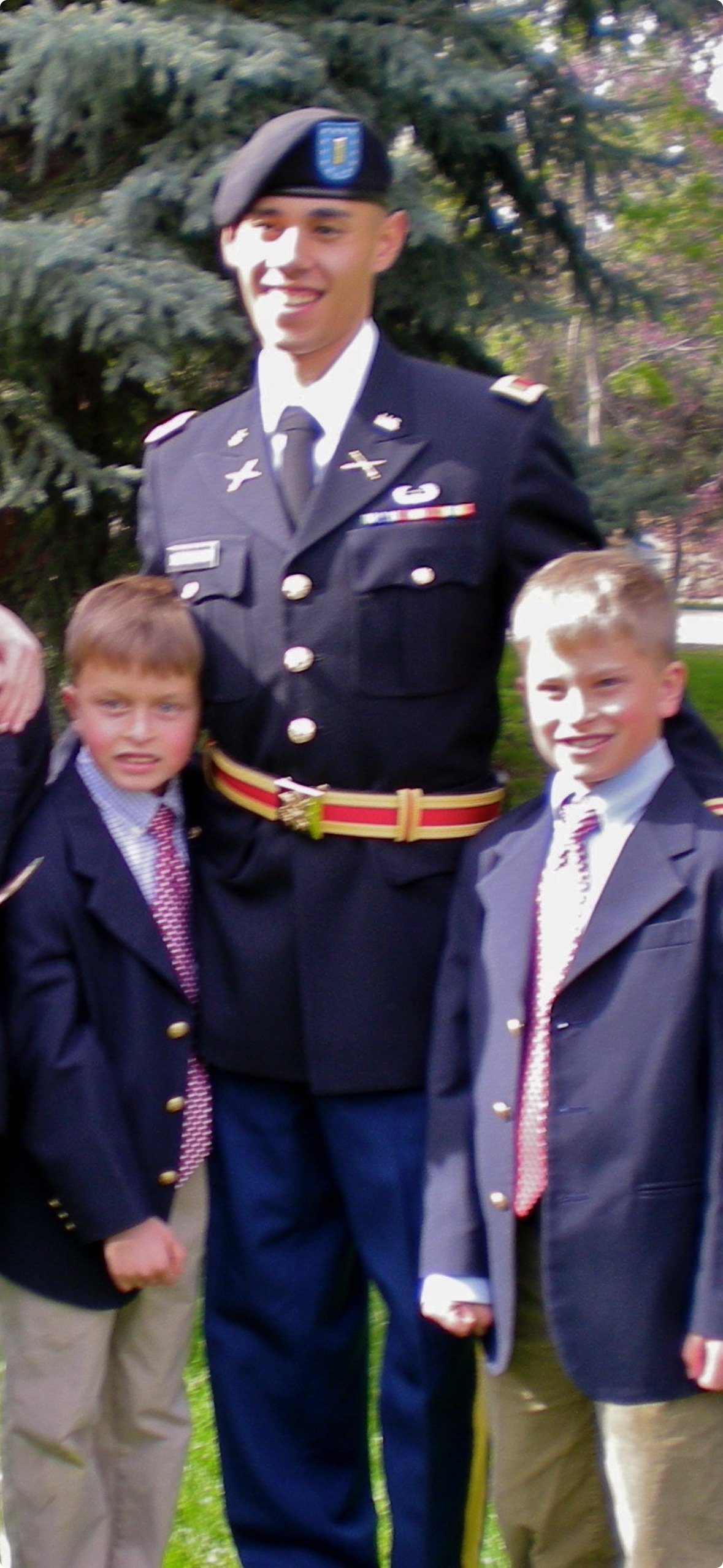
Colorado born Lindquist Brothers with their Dad, Peter
Cully’s Training and how he was selected for ENJJPT:
Naturally - becoming an Air Force pilot, especially a fighter pilot, is extremely competitive, involving tough academic, physical, and testing hurdles to earn a slot against many applicants. With only about 30% selection rates for boards and further washouts in training, it requires top performance, mental fortitude, and strict criteria.
According to Eckholm, pilot training includes the following requirements: A college degree- no specified subject; candidates must be 18-33 yrs old - US citizens in good standing; no flight experience necessary, and there are certain physical requirements such as a typical range of standing and seated height, weight, overall physical and cardiovascular health, and correctable vision.
The next step is to be commissioned into the military through the Air Force Academy, Officer Training School (OTC) or ROTC. Junior/Seniors then list their job preferences to include being a pilot – which is merit based, so they’ll evaluate student and overall performance records as a consideration.
Finally, two tests are required: Air Force Officer Qualifying Test (AFOQT) (Like an ACT or SAT required for all Air Force Officers) – and also the Test of Basic Aviation skills (TBAS) - which measures raw skills, spatial awareness and the ability to multi-task. These scores determine what position a cadet is eligible for, so in order to be eligible to become a pilot, high scores on both are required.
For Cully, the culmination of these significant efforts and more led to his exhilarating and triumphant first “Drop Night” which awarded him with not only a coveted flight assignment, but with his rare ENJJPT assignment.
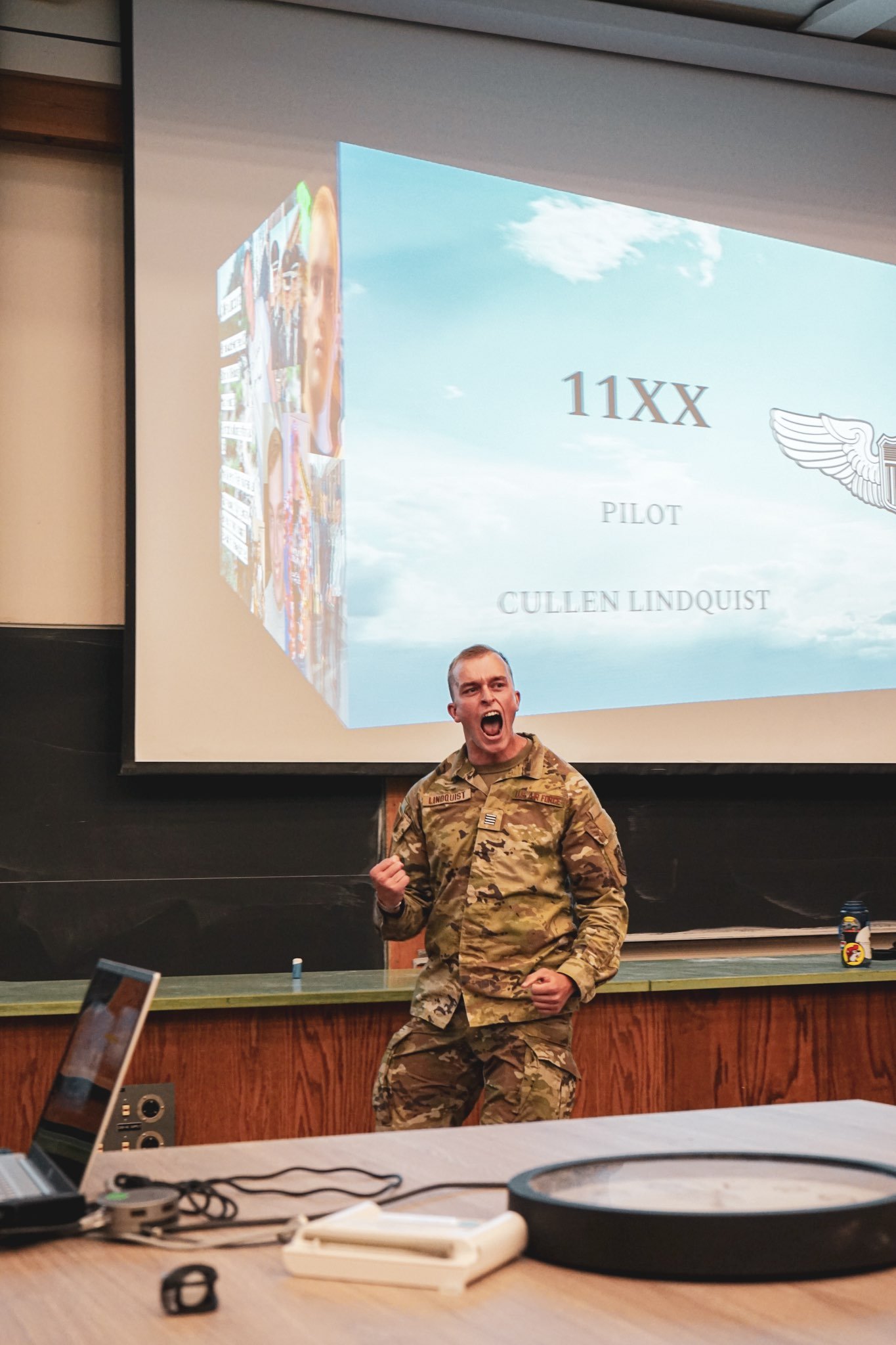
The moment Cully learned he earned a slot and would become a Pilot in the US Air Force ✨
Currently…
After graduation last spring, Cully was assigned to Sheppard Air Force base in Texas, which hosts NATO candidates from allied countries and focuses on developing fighter pilots. There are three other bases that train pilots including Columbus AFB (MS) Vance AFB (OK), Laughlin AFB (TX).
In general, there is one pre-training requirement; three phases of training; and one post training requirement:
• PreTraining: Casual Status - This is his current phase and can last almost a year, and in Cully’s case it will last nine months. During this phase they complete IFT (Initial Flight Training) in Pueblo, Colorado. This is 40 days and 20 hours of basic flight maneuvers - much like earning a private pilot’s license. Here they fly the DA-20 Katana which is a small prop plane. After IFT some, like Cully did in October, will complete Centrifuge Training in Ohio in advance of starting their next phase of training (most go to the Centrifuge halfway through pilot training) - where pilots are taken up to 7.5Gs in a simulator. This training is designed to begin to test and evaluate whether or not the pilots have the physical strength, endurance and mental fortitude to stay awake and operate under high G-force strain. All pilots must complete this before flying in the T-38 Talon which is the aircraft Cully will fly in his third phase of training. Cully already made it through this training in October!
• Next: Undergraduate Pilot Training (UPT) - For Cully, this will begin March 2, 2026
Everything he does between now and graduation one year later, (March 2027) will either help or hurt his chances to get assigned his choice aircraft between three class options - Fighters, Bombers or Airlift and Tankers “Heavies” - and also top choice for locations following training.
In this NATO group, they are all essentially competing for a Fighter jet assignment (or Bomber). Options that are open to them are the F-16, F-35, F-22, and F-15. (Cully’s preference is either an F-16 or an F-35)
Basically and importantly - they are “Racked and Stacked” against their peers. The number one students get their first choice and so on. Students who want to fly fighters must be at least in the top third of their class usually, but at ENJJPT, most students in the class will receive a fighter if they have a high collective average on their overall scores. All phases of his training are taken into consideration for this, and all phases are extremely rigorous – 10-12 hour days of instruction, simulator training and flying. Throughout all they are watched, assessed and graded by instructors. However, pilots at Sheppard are very likely to either get a fighter or a bomber due to the intent and training objectives of ENJJPT as they push to produce combat pilots for NATO.
Once assigned, they then move on to train extensively on their assigned aircraft in a training called B-Course before they are fully qualified. These training protocols vary extensively depending on type of aircraft and training group.
Right now Cully is in his pre-training, and he works a 9-5 job supporting training pilots with various things such as scheduling and logistics. In order to compete at a high level, gain more experience and network more on base, he volunteers for other jobs as much as possible. They all know the more they volunteer, the more credibility they earn - so he volunteers a lot. Currently his two volunteer jobs are working as a fitness manager, overseeing fitness assessments for his unit; and he is also a “Bird Dog” - essentially he drives around the runways on an ATV with a shotgun to shoot birds to prevent them from hitting planes which can be hazardous for pilots. (That’s a good gig if you can get it!) In addition, every now and then they are offered to “pick up” tasks that are sometimes difficult, but it all adds up. For example, sometimes he gets up at 3am to report by 4am to facilitate health assessments for enlisted members on the base.
Cully has thoroughly enjoyed his first six months of training at Sheppard and being with the NATO unit – partially because he loves all the unique cultural and social traditions on this base. This social side and “bar culture” is something they purposely encourage and is depicted so well in the Top Gun movies. They purposely want to foster deep friendships and an ethos of mutual respect, so this makes it all so inspiring and fun for Cully. He says the Germans are by far the craziest! It is a Work Hard - Play Hard Ethos that is constantly encouraged in various ways. He’s absolutely loving getting to know everyone. Another interesting aspect of their culture is that they are all the “creme de la crème” of wherever they came from, and they all have highly competitive dispositions. So, they were told to expect to “feel defeated” - maybe for the first time, just because they are all surrounded by people who all excelled. But ever strong, calm and even-tempered - Cully recognizes that this is all just part of it, and something he has to just accept and rise to.
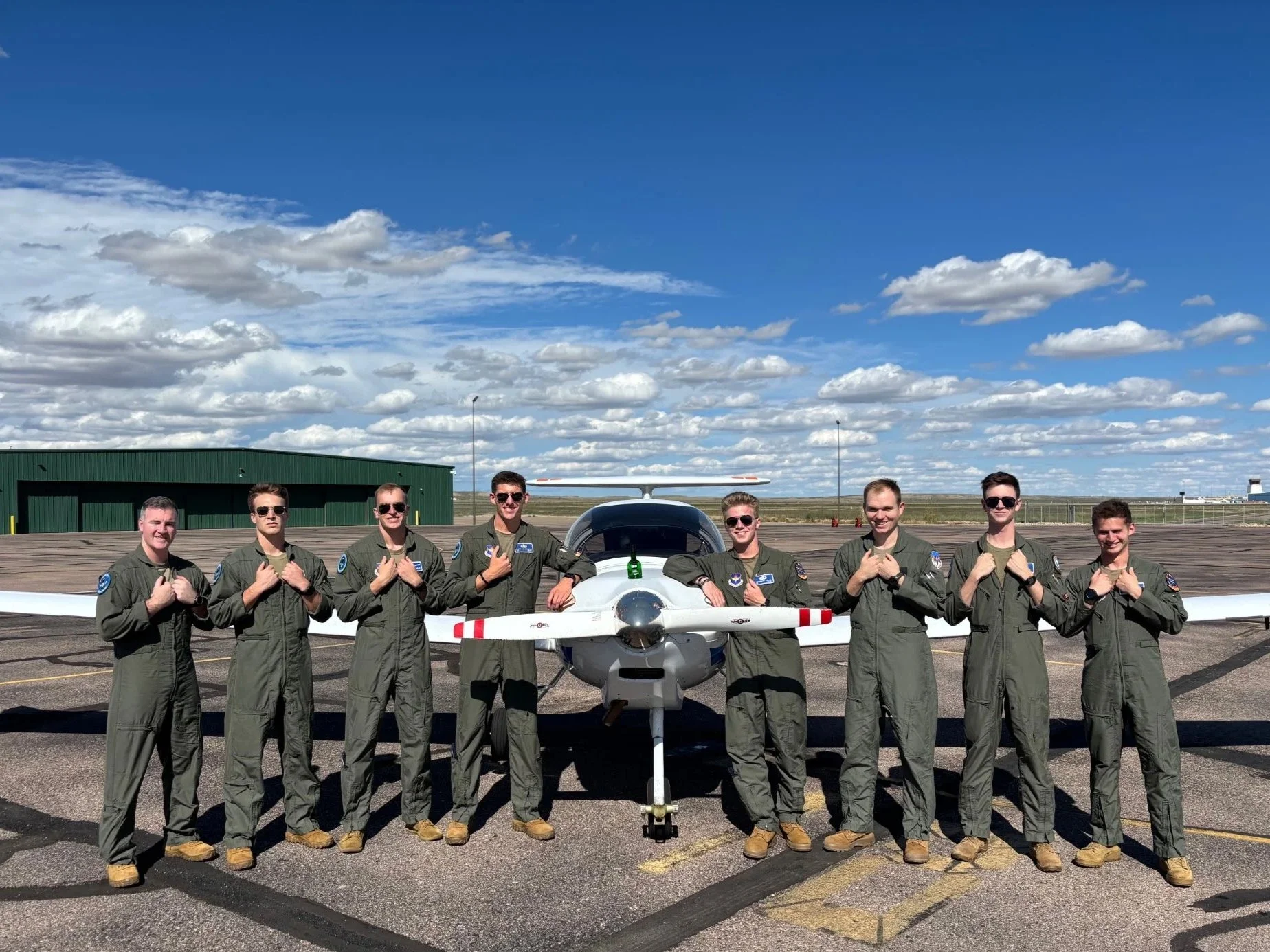
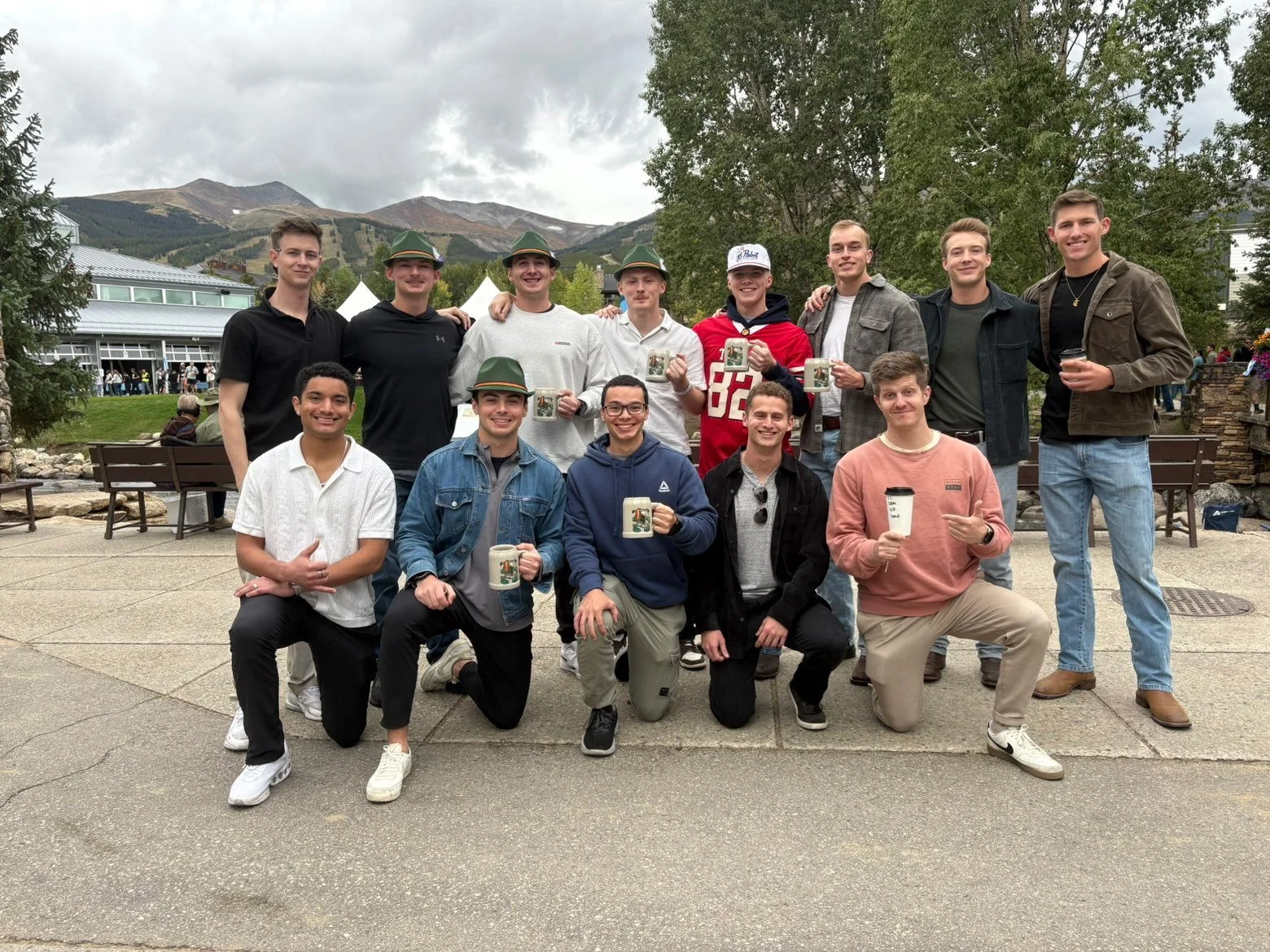
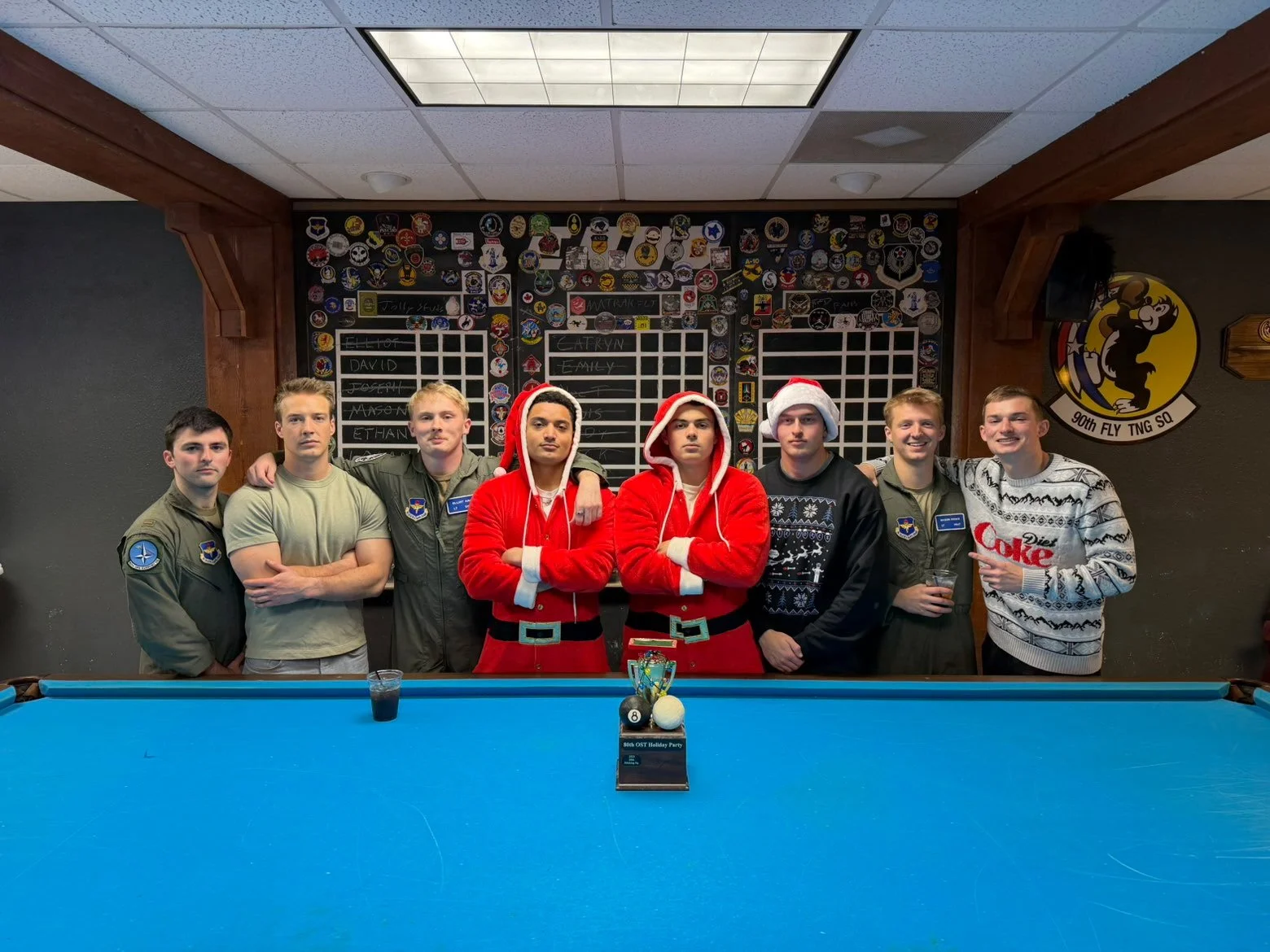
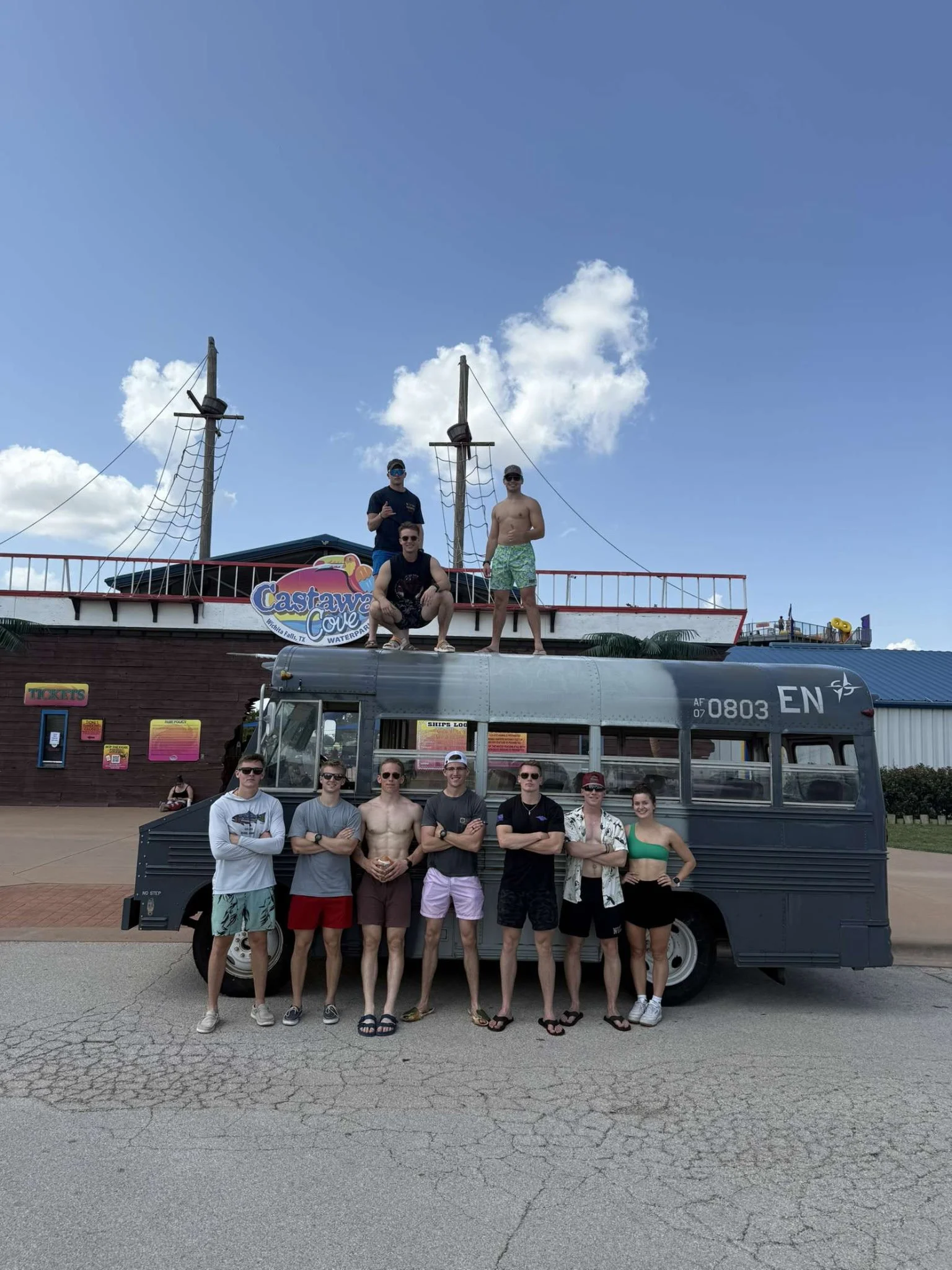
Cully’s “Casual” group is about 40 people, and only 6 are women, but one is his good friend Sara from CU. He says there’s a gang of about 15 that are bonding and he loves getting to know people from all over the world. They were assigned to a dorm “quad” with their own rooms and kitchens, and his assignment is with mostly the “Dutchies” and a few Germans. They all decorate their quads to express their own country and he says the Italians are always cooking amazing foods! He’s with Pilots who will be training from 13 different nations - Canada, Britain, Italy, Netherlands, Germany, Greece, Romania, Belgium, Spain, Portugal, Norway, Denmark and Turkey.
Thankfully, the chain of command at ENJJPT comes from a specialized NATO Security Council rather than the US Government, and their training is entirely different than the other US Air Force Pilot training programs. It is more specific and more thorough in various ways. Thankfully too, he won’t be assigned to this first operational post until about 2028.
Currently, Cully is studying all the “Boldface” protocols for the first aircraft he will be flying at Sheppard, the T6 Texan II. These are the “critical emergency procedures that aircrew have to memorize and execute during an in-flight emergency” Some aircraft have short boldface lists, and other more complex aircraft have really long boldface lists, and they all must be memorized and known verbatim. It is truly mind blowing and sobering, how much there is to learn, and master, in order to not only complete their precise and dangerous missions, but to survive, as well.
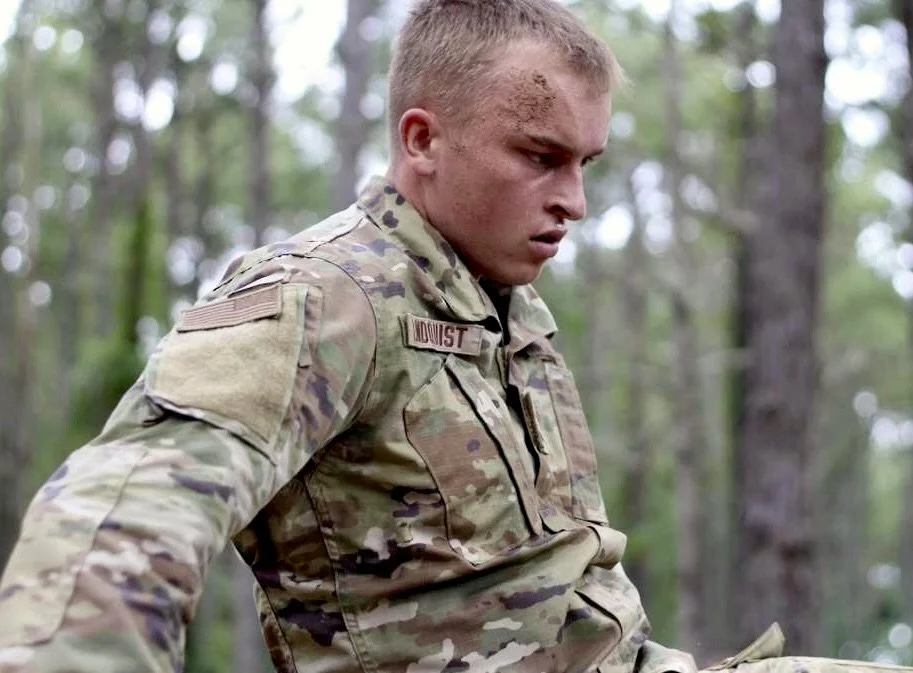
Significant efforts that are seldom seen
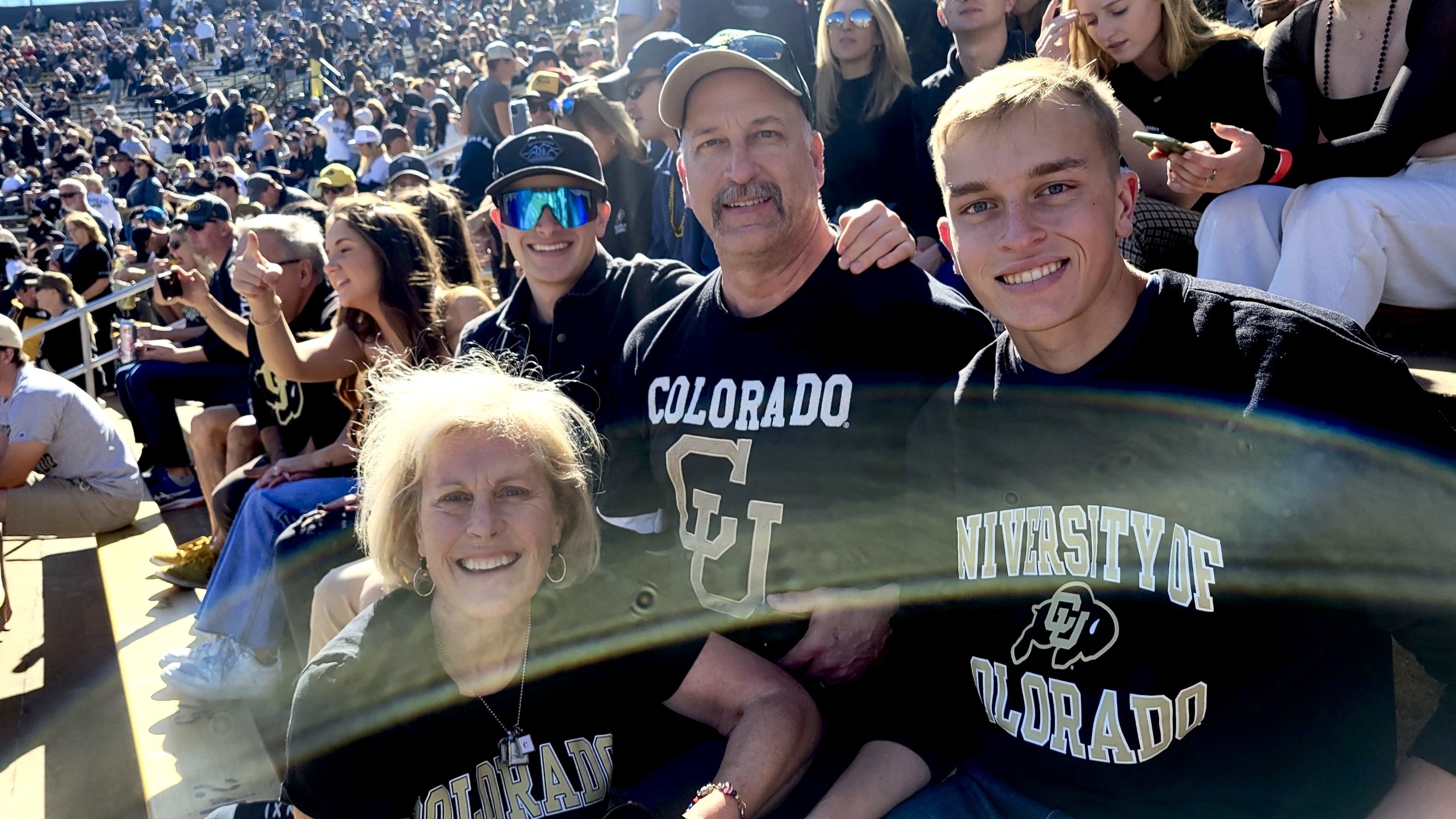
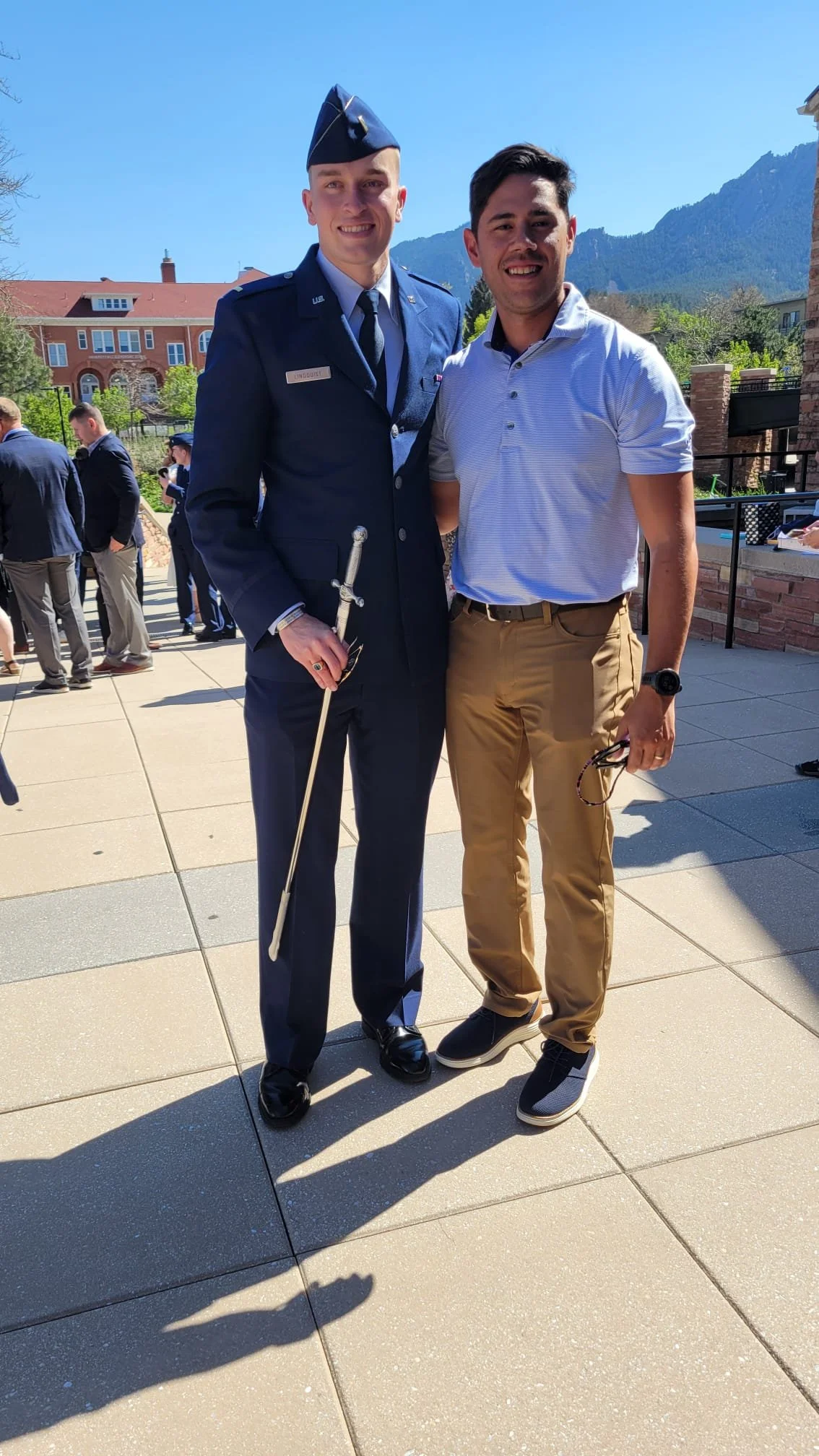
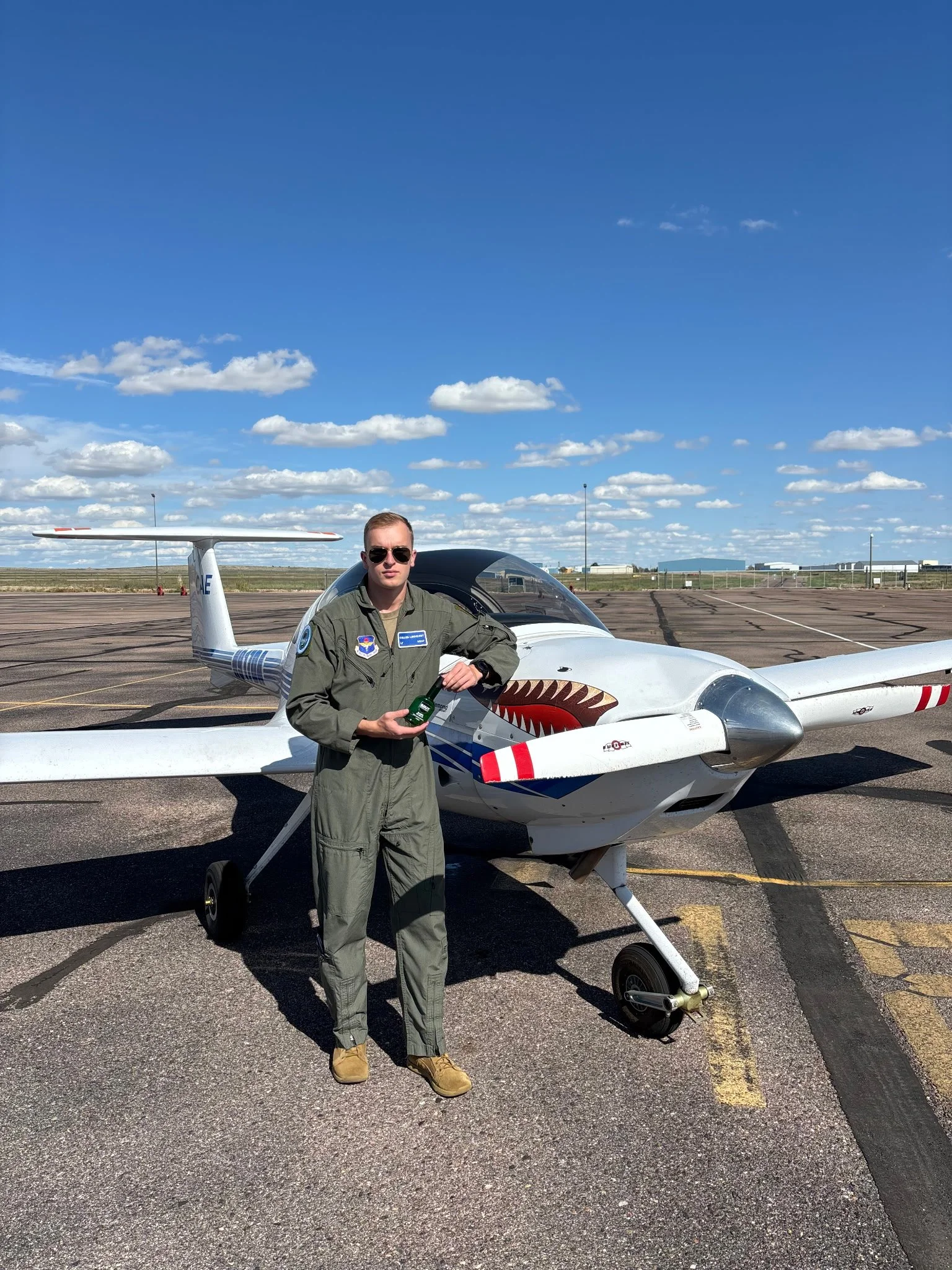
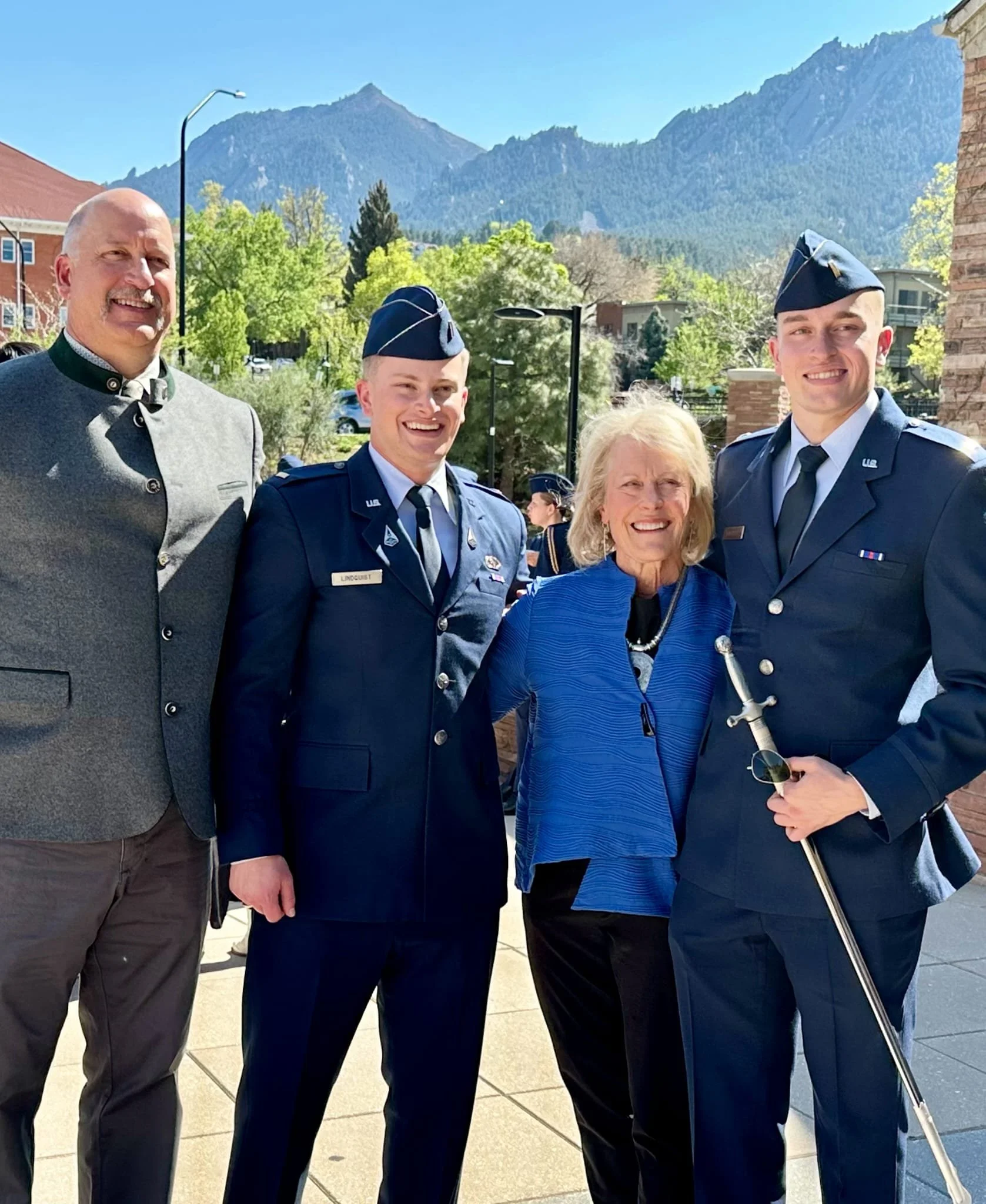
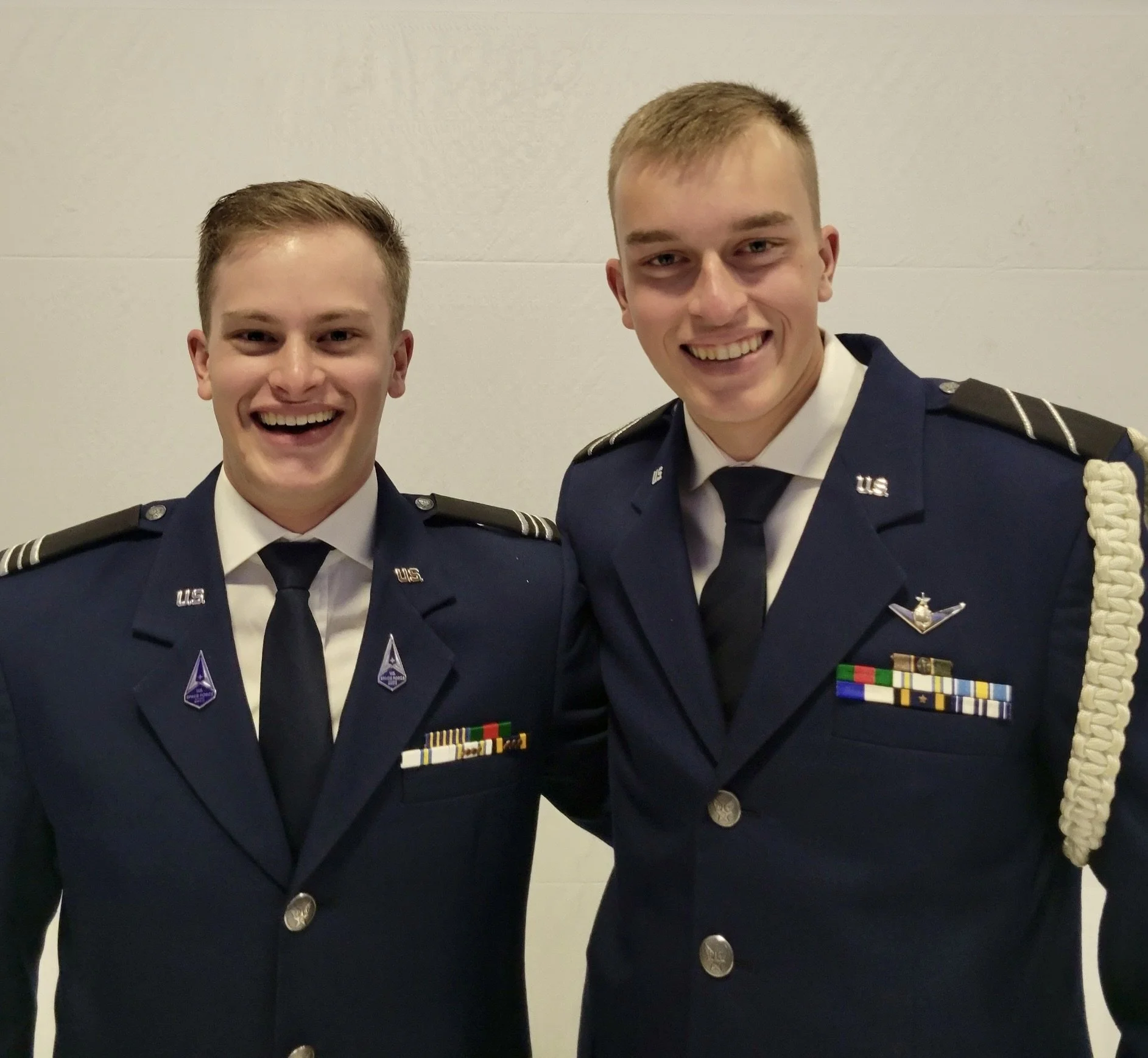
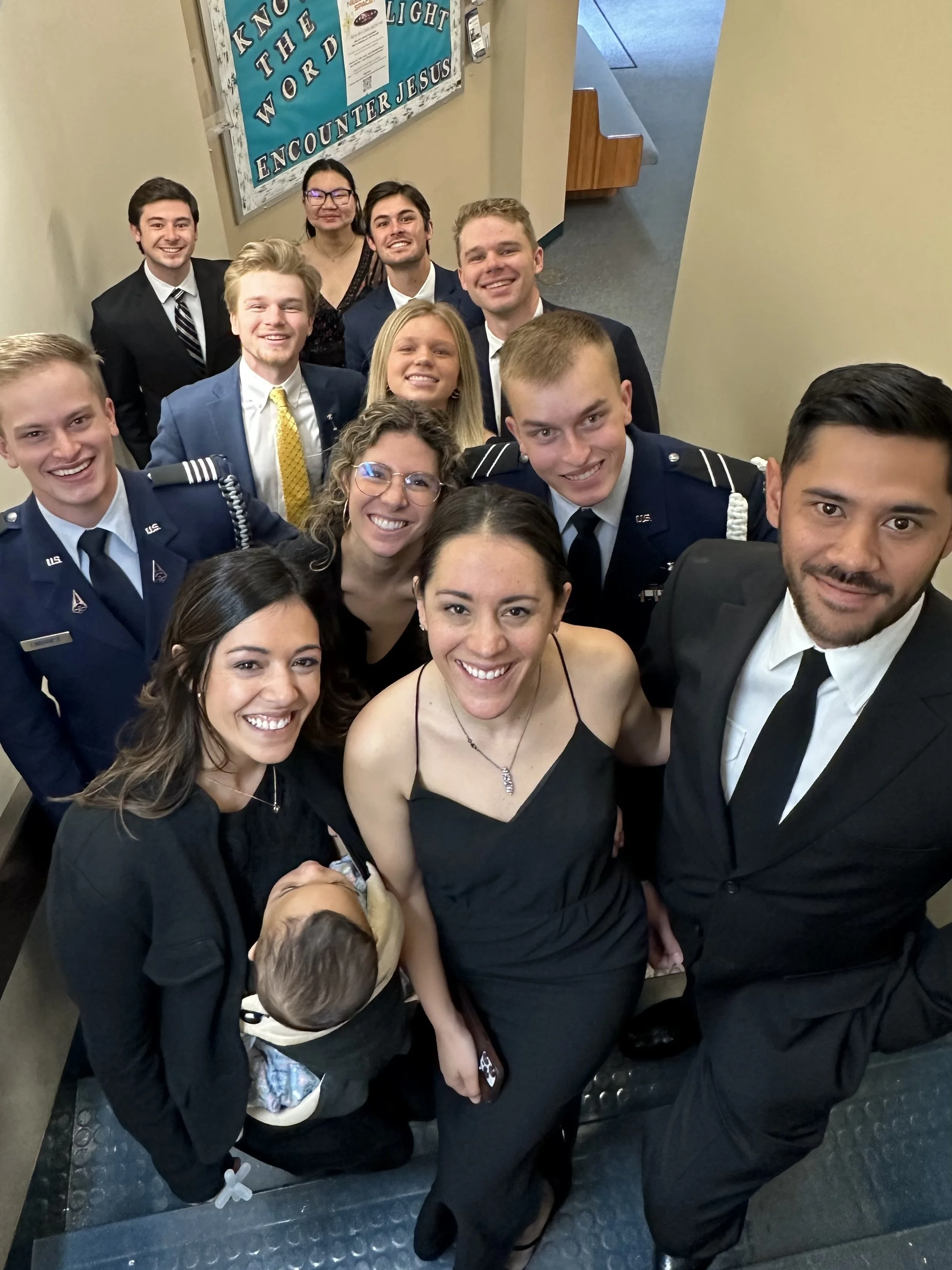
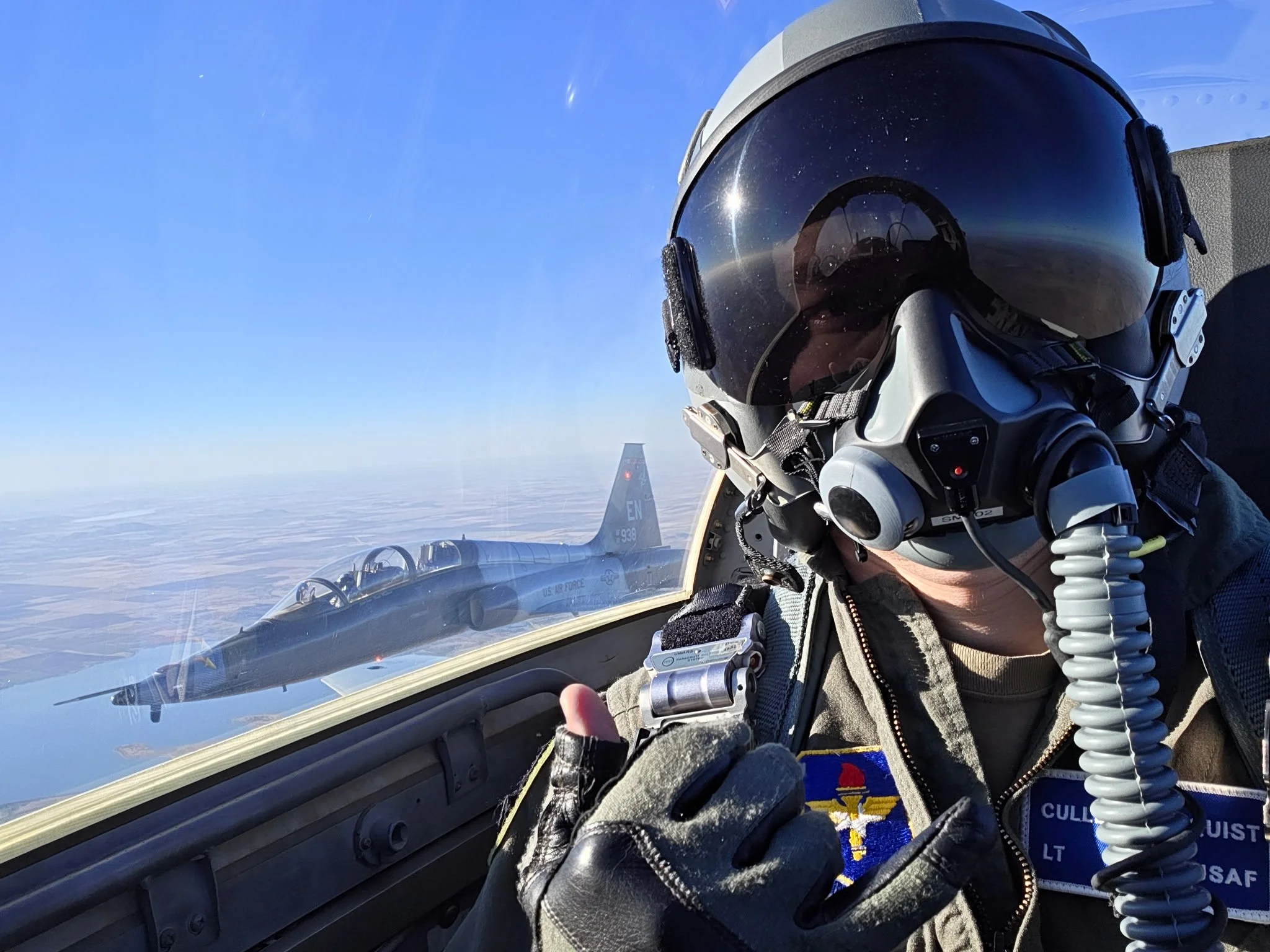
Cullen Lindquist, Lieutenant, United States Air Force
We are so fortunate that people like Cully are so willing to work this hard for the security of all of us.
A proud salute and prayer for you forever Cullen Lindquist:
A strong and special young man who chose the harder path—
Here’s to discipline earned, risk understood, and the quiet bravery of showing up.
May the sky receive you safely, and may you always return—wiser, grateful, and whole.
✨
Brenda Lush
WanderLush - January 1, 2026